Matte or Gloss: Choosing a Finish for a Small Object
Matte or gloss finishes change how a small object catches light, shows handling marks and reveals its shape, helping you choose a surface that suits its form.

A matte or gloss finish can make the same small object seem softer, sharper or more substantial, because each surface handles reflected light differently. When choosing between matte and gloss for a ceramic cup, wooden box or desk accessory, consider not only its colour but also how you want its shape and signs of handling to appear.
Finish changes the light around an object
A finish is the surface treatment that affects an object’s appearance and feel. Matte surfaces scatter reflected light in many directions, so they tend to look even and subdued. Glossy surfaces reflect more light in a concentrated way, creating brighter highlights that shift as the viewer or object moves.
Think of a matte surface as a sheet of uncoated paper and a glossy one as a glazed photograph. The paper softens reflected light; the photograph sends a clearer glint back towards your eyes. This is an analogy, not a precise description of every coating: satin and semi-gloss finishes sit between the two, and actual results depend on the material and surface treatment.
On a small object, a highlight can occupy a noticeable part of the visible surface. A glossy finish may therefore draw attention to a curve or edge, while matte can make the overall colour feel more continuous. Neither effect is inherently better. The useful question is what the finish makes easiest to notice.
Matte makes colour and contours feel quieter
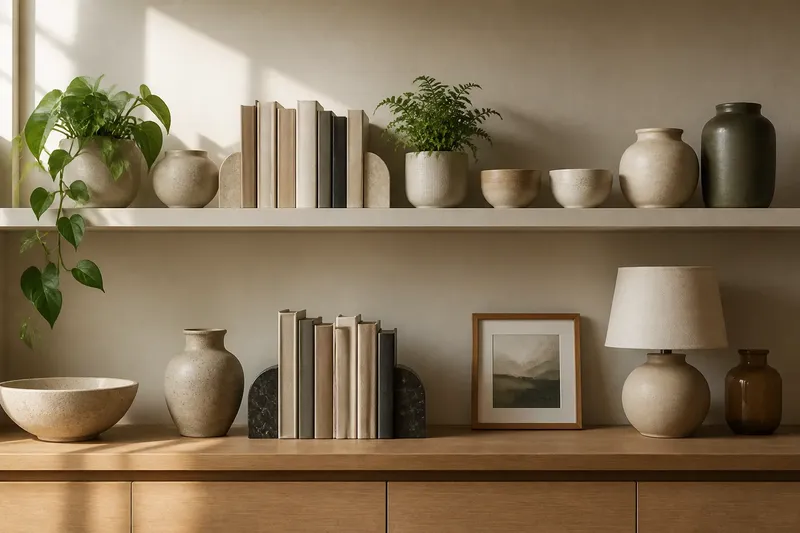
Matte finishes can suit objects whose appeal lies in a calm colour, a tactile quality or a shape that does not need a sharp reflected highlight. A matte ceramic pebble, for example, may read as soft and stone-like even if its form is carefully made. A matte-painted wooden box can keep attention on its outline rather than on bright reflections from the lid.
Because matte surfaces scatter light, they can make shallow contours less conspicuous under some lighting. That may be welcome when a small object has an irregular handmade form or is meant to sit unobtrusively beside other things. It can also make a simple, rounded shape seem gentle rather than polished or formal.
Matte does not mean that every mark disappears. Finger oils, dust, scuffs and uneven patches can show, especially on dark or strongly coloured surfaces. Their appearance depends on the coating and the material beneath it, so judge a sample in the light where the object will usually be seen.
Gloss gives edges and curves a moving highlight
Gloss can make a small object feel vivid, crisp or deliberately finished. A curved glazed ornament may show a bright line that travels along its surface, making the curve easier to read. On a sharply edged object, highlights can pick out the corners and make its geometry feel more defined.
That same reflected light can compete with the object’s colour or obscure a small detail from certain viewing angles. A glossy black case, for instance, may look deep and lustrous in one position, then show a bright window reflection when turned. If the object is often viewed under a lamp or near a window, consider whether those changing highlights add interest or distract from its shape.
Gloss can also make surface irregularities more apparent when highlights break across them. Fine ripples or scratches may catch the light, though the effect varies with the material and the direction of illumination. A glossy finish is not automatically more durable or easier to maintain; those qualities depend on the specific product and its care requirements.
Marks depend on the finish, colour and handling
Fingerprints are often conspicuous on dark, glossy surfaces because oils disrupt an otherwise reflective field. On a pale matte surface, dust or a rubbed patch may be more noticeable instead. These are tendencies, not rules: a textured coating, a low-sheen glaze or a particular pigment can change what stands out.
Think about how the object will be used. A small box that is mostly displayed may not collect the same handling marks as a phone stand picked up throughout the day. A frequently handled object might suit a finish whose usual marks are easy to wipe away, but check the maker’s care advice before choosing cleaning products or methods.
Finish also affects how a mark is perceived. On gloss, a fingerprint can interrupt a clean reflection; on matte, a scuff can create a patch of altered sheen. If visible wear would feel like part of the object’s character, a surface that develops a gentle variation may appeal. If you prefer a consistent appearance, look closely at how the finish responds to touch and cleaning.
Choose a finish by looking at the object in its setting
To compare options, view the same colour and shape under the light in which the object will normally be used. Turn it slowly and look from the height and angle where you expect to see it. A shop’s bright overhead lighting may reveal a different balance of highlights and marks from a desk beside a window.
Imagine you are choosing between matte and glossy versions of a small blue ceramic bird for a bookcase. If the bird’s curved back is the feature you want to notice, the glossy version may make that contour more legible through its moving highlight. If you want the blue colour and rounded silhouette to feel quiet beside the books, matte may be the better fit; either way, inspect the actual surface for marks and unevenness before deciding.
A useful comparison includes more than sheen. Check whether the finish feels smooth or textured, whether edges look clean, and whether the colour shifts in direct and indirect light. If only one finish is available to inspect, a sample swatch or a similar object made with the same coating may help, though it cannot perfectly predict the final result.
Which finish suits the object’s shape and use?
Does matte make a small object look larger?
Matte does not reliably change an object’s physical scale, but its diffuse appearance can make a surface feel less visually emphatic. A simple shape may seem quieter and less defined than the same shape with bright highlights. The effect depends on colour, lighting and the contours themselves.
Does gloss make a shape easier to see?
Gloss can reveal curves and edges through reflected highlights, particularly when light moves across the surface. It can also create glare that hides details from a particular viewpoint. Look at the object from its usual viewing position rather than judging it only head-on.
Which finish is better for an object that gets handled?
There is no universal answer: glossy dark surfaces may show fingerprints clearly, while matte coatings may show oils, scuffs or rubbed areas. Consider the object’s colour, texture and care instructions, then decide which kinds of visible change you find less distracting.
Can a finish be both matte and glossy?
Some objects combine finishes, using gloss on selected details and matte elsewhere. This contrast can separate a raised motif from a quieter background or draw attention to a particular edge. The effect works best when the change in sheen supports a feature of the object rather than appearing arbitrary.
Let the desired visual impression decide
For a compact object, matte is often the more restrained choice when continuous colour and a soft surface impression matter most. Gloss is often the more expressive choice when changing highlights can help a curve, edge or polished character stand out. A satin finish offers a middle ground, with some reflected light but a less mirror-like appearance.
Start with the feature you want to notice: colour, contour, texture or a clean reflection. Then consider the object’s lighting, handling and care, and compare the actual finish if possible. Choosing matte or gloss becomes simpler when the surface is treated as part of the object’s form, not just a final layer of shine.